Categories
Strength Training

The Benefits of Super-Set Training: More Intensity – Greater Results

In the world of strength training there are many different methods of building muscle and getting insanely strong.  Some of these high intensity training techniques should be used sparingly and infrequently, whereas others are simply useless.  With so many exercise gimmicks and quick fix fads on the market, wouldn’t it be great if there was a safe and natural way to build more size and strength in less time?  There is.  The strength and size building strategy that you should consider incorporating into your program is called “superset” training.

Conventional weight training typically involves using “straight sets.” A straight set is performed by doing a series of repetitions of an exercise, then stopping for a set amount of rest before doing another set of the same exercise. There is nothing wrong with this traditional form of training, but supersetting has a few distinct benefits.

A superset is an advanced training technique where you perform two different exercises in a row, one right after the other with minimal rest between them. For example, if you perform a set of chin ups followed by a set of overhead presses, this would be ONE SUPERSET.  Once completed, after a brief rest you would go back to the chin ups again before switching back to another set of overhead presses to complete your second superset.

Although you may have heard of supersets before, and perhaps you are using them in your current program, many trainees consider superset training to be more of a “plateau buster”, or a short term training strategy to use once you stop noticing results.

Others believe that if you use superset training too frequently it will lose its effectiveness. This is incorrect.  In fact, quite often the opposite is true.  Supersets can actually help you avoid training plateaus and should be incorporated into your regular training routine.

The main benefits of using supersets include:

  • Saves Time and Increases Intensity: A shorter, more time-efficient workout, which means a more intense training session!
  • Greater Muscle Activation: Different superset combinations can stimulate more muscle fibers than a standard “straight” set.
  • Increase HGH: Supersets increase Lactic Acid production, which naturally boosts your own growth hormone production.
  • Raise Muscular Energy Production: Increasing muscle energy by improving mitochondrial density in the cells.
  • More Nervous System Activation: Supersetting results in greater neural muscular stimulation.
  • More Variety: Keeps your workouts interesting.
  • Less risk of injury: Because you have thoroughly warmed up the target muscle group you are working using lighter weights before each heavy set.

There are three main categories of superset training:

  1. Same muscle group pairing
  2. Agonist – antagonist (opposite) muscle groups
  3. Staggered sets

Let’s take a closer look at each of these categories.

  1. Same muscle group:

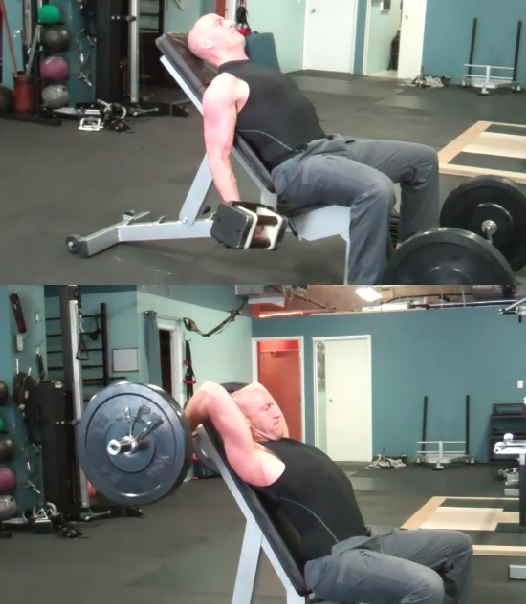
As you would expect, this involves performing two exercises for the same muscle group back to back. A good example of this type of superset would include Pre-Exhaust training.  This involves performing an isolation exercise for a given muscle right before a compound movement involving the same muscle group.  For example, supersetting dumbbell chest flyes with the bench press, or performing leg extensions before squatting.

Once the targeted muscle group is fatigued by the isolation exercise, you are still able to challenge it further in the compound exercise because you are involving other accessory muscles to complete the movement.  By pre-exhausting a target muscle group with an isolation exercise before hitting the heavy compound lift, you are able to take a muscle group beyond the normal point of exhaustion and thereby get deeper muscle fiber recruitment.  This makes it a great high intensity training technique for hypertrophy (muscle growth).

However, because you are performing two exercises in a row for the same muscle group, this will limit the amount of much weight you can handle with the big, multi-joint exercise.  This makes it a less than ideal method of training for maximum strength gains.

  1. Antagonistic muscle groups:

With antagonist (push-pull) supersets you will perform exercises for opposite muscle groups back to back, such as supersetting rows and chest presses, or pairing chin ups with overhead presses.  You would perform a set of the pulling movement, immediately followed by a set of the pushing exercise, and then back to the pulling movement after a short rest, and repeat.  This method of training is expanded upon in my ebook, “The Barbarian Strength System”, which you can check out at www.BarbarianStrength.com.

Research has demonstrated that this type of training can help you recover faster as well as maintaining strength levels between sets.  When you train opposing muscle groups back to back, studies indicate that this increases nervous system activation which results in an increase in strength.

Another advantage of this type of training is that you are training muscles on both sides of the body in balance, which helps improve joint stability and correct muscular imbalances.  Because of the high intensity nature of this type of training, it also stimulates increased production of growth hormones as well.  So if your goal is to become as strong as possible, try incorporating antagonist supersets into your program.

  1. Staggered supersets:

With staggered supersets you do an exercise for an unrelated muscle group between sets.  An effective example of staggered supersetting is an Upper Body – Lower Body superset.  For example, you could perform a set of squats followed by a set of chinups.  This is a very challenging method of training because your heart will need to work harder to pump blood back and forth from your upper body to your lower body with each set.

Combine this with the fact that lower body exercises tend to use more energy and burn more calories, Upper-Lower supersets will elevate your metabolism.  This makes it an effective way to train for fat loss.

If getting leaner is your goal, try supersetting compound exercises for the upper body and lower body and perform 4 or 5 sets of 10 to 15 reps each.

Alternatively, choose a block of time such as 15 or 20 minutes and superset each exercise with minimal rest in between until the time is up.  Also check out my ebook, “Get Lean: Permanent Physique Transformation”, at www.GetLeanBook.com, which incorporates fat loss training methods such as this along with a structured nutrition plan.

Conclusion

There are several other variations of supersets that you can use, but this article covers the most common and most productive examples.  For a more efficient workout and faster results, try implementing supersets into your current program.

You will be glad you did!

Josh Hewett

Categories
recovery

Sleep Like A Champ

Most athletes focus on their training programs and nutrition plans, but what about rest and recovery? Good sleep is one of the cornerstones of good health and is a powerful “training tool” in itself. While 7 to 9 hours is widely accepted as the optimal amount of sleep for most adults, getting too little can negatively affect your health. Sleep deprivation has become so common that many people may not even realize they are suffering from it. Some of the serious problems that a sleep deficit can cause include:

  • A weakened immune system
  • Poor memory
  • Poor concentration and mental performance
  • Poor physical performance
  • Stress related disorders such as heart disease, ulcers, and depression
  • Reduced growth hormone produced (accelerating the aging process)
  • Hunger and weight gain
Categories
Strength Training

Strongman Training for Athletes

How can flipping a tire, pulling a heavy sled, or carrying a sandbag help you become a better athlete?

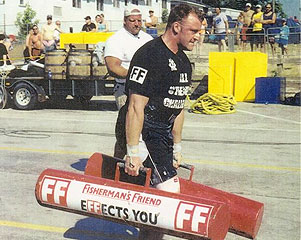
For the giant men we’ve watched on television, these are tests of strength, power and determination, a challenge which pushes them to their physical limits.  They pull trucks, deadlift cars, throw kegs, and pick up huge boulders.  In a primal, gritty way it is also a test of what they are made of.

These are the events of strongman contests, a sport which has gained fame through ESPN’s “World’s Strongest Man Competition.  It is the athlete’s version of extreme manual labor, and has drawn a large audience of viewers due to the surprising appeal of large men moving large objects.

But there are other athletes who are now participating in these unorthodox training methods.  A growing number of coaches, trainers, and athletes are recognizing the effectiveness of incorporating odd implement exercises, or “strongman training”, into their regular training programs because it gets results.

Athletes from a wide variety of sports, from high school to the high level professionals, have come to include strongman workouts to take their training to the next level.  They may have no interest in strongman competitions, only a strong desire to improve their functional strength, power, and performance.

Several well known and reputable strength coaches are advocates of this type of “real world” training, including Joe Defranco, Zach Even Esh, Elliot Hulse, Jim Smith, Wendler, and many other elite trainers.  Strongman training is a rejection of the “chrome, mirrors, and elevator music” environment of traditional gyms in favor of very basic, no-frills, ground based, more athletic type movements.

The reasons for this trend are many.  Training with these unconventional implements leads to full body “functional” strength, as each compound exercise involves several muscle groups working together synergistically.  This transfers to better preparation for athletic performance on the field.

Because many of the exercises are unstable in nature this forces the body to adapt and develop greater stability.  It also creates a huge challenge for the core musculature, helping the athlete to develop a powerful midsection which is important in every sport.  Also considering that many strongman movements are explosive in nature, there tends to be greater carry-over to sport activities than with traditional “gym” strength training.

In addition, strongman training is usually considered to be more fun than traditional gym training.  Athletes not only enjoy flipping tires and pressing kegs more than working out on conventional exercise machines, but it also develops their mental toughness.  That psychological edge makes all the difference in competition!

Mark Philippi, a strongman competitor and director of strength and conditioning for the University of Nevada-Las Vegas, said: “You’re building explosive strength. Moving an object or lifting an object takes more of a degree of strength than just lifting a barbell in a controlled environment.”  Like other coaches, he incorporates both this type of training and traditional methods in his programs, and has noticed a significant improvement in his athletes because of it.

Giants offensive tackle David Diehl has been flipping tires as part of this training routine for years.  Diehl was quoted as saying, “It works the things that you need to work…It’s a complete, overall total body workout.”

Like any form of exercise, this type of training must be performed with correct technique and in a well designed program to reap the greatest benefits while avoiding injury. For a complete strength training program for building size and strength that incorporates “strongman” implements, check out www.BarbarianStrength.com.

Stay Strong,

Josh Hewett

Categories
Strength Training

Effective Strength Training Principles

It seems like the debates over effective resistance training program design will never end. Throughout my career as a trainer I have studied and implemented countless strength and hypertrophy regimens. What always intrigued me was that so many of these programs promote what appeared to be completely antagonistic training philosophies! One guru will insist that only high volume training is ideal for muscle growth, while another expert declares that low volume, high intensity training is the key. Other routines were so convoluted that you would spend more time contemplating the complex variations therein than actually training! This is called “analysis paralysis”.

What became apparent, however, was that despite all of the conflicting information, the most effective programs typically share common elements and principles. Rather than focusing on the different theories, it will serve you better to look at the big picture: the fundamentals. The intention of this article is to present the most effective training principles in a simple and clear fashion. If you design your next program based on these basic concepts, you will get results. When it comes to training for size and strength, this is “What Really Works”:

1. Use Progressive Overload:

This is the most basic and one of the most important principles. Muscles grow bigger and stronger as they adapt to stress. Therefore, you need to progressively overload your muscles each week either by lifting moderately more weight, exerting more force, or performing more repetitions with the same weight. This is why it is so important to record your progress and write down your training goals.

2. Use compound, multi-joint, free weight exercises:

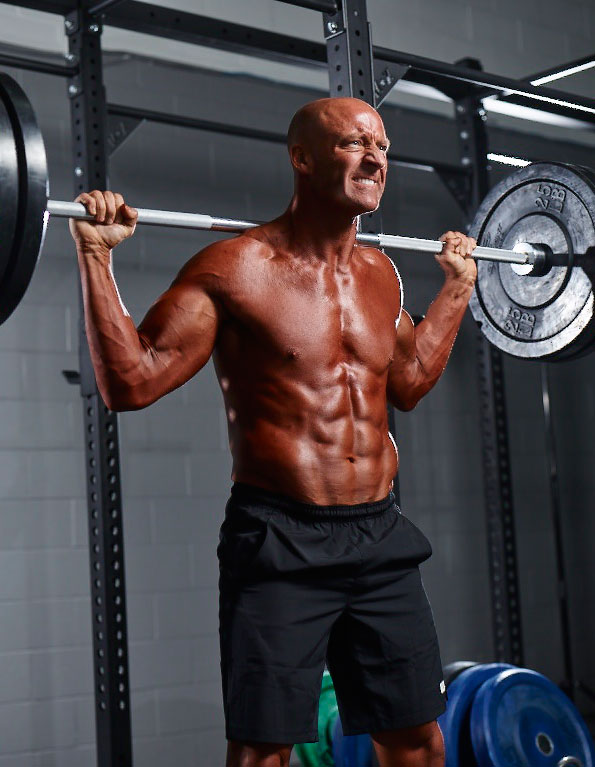
Basic, big pushing and pulling movements such as variations of the deadlift, squat, lunge, power clean, overhead press, chest press, row and pull-up involve more muscles, larger muscle groups, more resistance and greater Neuro-Muscular Activation (NMA) than isolation movements.

Generally, the more of your body you involve in the exercise and move through space, the greater the NMA. By this reasoning, a heavy weighted dip would be more productive than a heavy decline press, and pull-ups are superior to pull downs, for example. These exercises not only produce greater increases in size and strength in a shorter period of time, but they also stimulate the production of higher levels of growth hormone in your body. In addition, by training destabilized (free weights vs. machines) you are involving more of your small intrinsic muscles.
Josh Hewett

3. Use Ground Based Exercises:

This idea ties in with the above principle. When possible, choose to train in a standing or ground based position rather than seated or lying. This alone will make the exercise much more functional, and more challenging! Compare the seated overhead press to a standing military press; or seated rows to bent-over barbell rows. There is also typically a greater involvement of your core muscles with ground based exercises.

4. Train your CORE:

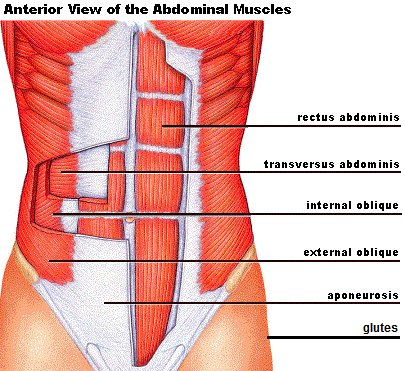
Some define their core as only their abdominals; I look at the “core” musculature as your entire midsection, including your abs (rectus abs, tranverse abs, obliques), spinal erector muscles (quadratus lumborum, longissimus, spinalis, multifidus, iliocostalis), and glutes. Considering this, you should incorporate exercises to target each of these main areas. I recommend starting your workout with some core isometrics, to activate these muscles in order to facilitate a stronger workout and prevent injury. The basics are the plank, the side plank, the bridge, and the lying back extension. Then I finish each workout with a different isotonic core exercise.

Of course, if you are using the big, multi-joint exercises I suggested above, your core muscles are being challenged during the rest of your workout as well. By using functional, free weight, ground based, compound movements, you are involving your entire midsection to a huge extent. I also strongly advise against using any belts, wraps or straps during most of your regular training, as this can decrease the involvement of the important core stabilizers. These training accessories should be reserved for maximum lift attempts and competition, unless otherwise indicated for specific injuries.
5. Train with Balance:

I have written entire articles on the topic of ‘balance’: balancing rest and training; training different energy systems in balance; having balance in your life. It is an important subject, not to be overlooked. For now, let’s look at the following aspects of balance:

• Include stability training & unilateral (single leg, arm) movements:
Incorporate some exercises that force you to balance on one leg or stabilize a weight with one arm, such as step ups, lunges, single arm press, etc. Working with odd objects such as kegs or sandbags also create a greater demand on your stabilizers and place a new stress on your body, leading to new results. These types of movements will increase the strength of your weaker side and develop your proprioceptive ability.

• Balance the volume of training for (and the strength of) agonist and antagonist (opposing) muscle groups:
This is an important principle for increasing strength, size, NMA, and preventing injuries. Basically, you want to balance the workload on both your pushing and pulling movements. The force and speed you can generate in a press or a throw is largely affected by the ability of the antagonist muscles to eccentrically stabilize the joint. If you cannot control deceleration, you can’t accelerate to your full potential.

Research has also demonstrated that one can recuperate faster by performing a set for an antagonist muscle group between sets. This is known as Push-Pull Supersets, such as super-setting rows and chest presses, or pull-ups and overhead presses. It has been shown to maintain strength between sets, as well as stimulate hypertrophy.

• Work on Your Muscular Imbalances:
Muscle tension and joint pain is often due to compensation for joint instability or weakness in another muscle. This is where isolation exercises come into play. You need to train your weak links in isolation before you can incorporate them into a movement pattern. Otherwise, your dominant muscles will continue to compensate, leading to further muscular imbalances. Prime examples of common weak links are the posterior deltoids, external rotator cuff, lower trapezius, glute medius, vastus medialus, and often some core muscles.

Having said that, it is my opinion that in most cases it is a waste of time to perform an entire workout using only isolation exercises for small muscle groups (unless you are in a prehab / rehabilitation program). For example, a one hour workout just for “arms” is completely impractical. Each workout should stimulate a majority of target muscle groups with fewer exercises. Think of training movements, not muscles.

“Functional training” (integrated exercise) will only reinforce compensatory patterns if the weak links are not first identified and eliminated.”

— Greg Roskopf, MA, founder Muscle Activation Techniques

6. Incorporate “Odd Object” Strongman Implement Training:

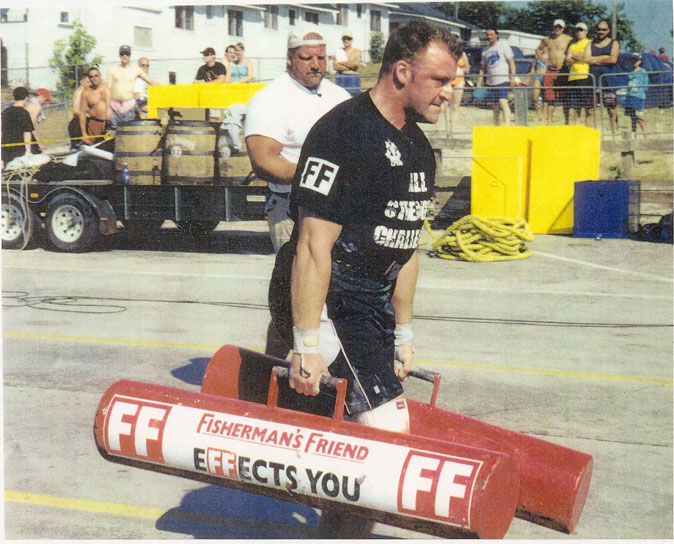
Strongman-type training and odd object lifting is great for improving a trainee’s General Physical Preparedness (GPP) and stimulating new neural muscular recruitment patterns. Exercises such as sled dragging, farmers walk, keg pressing, thick bar lifts and sandbag carries increase the use of muscles that may not be challenged with a barbell alone. There is also a huge stimulus placed on your ‘core’ musculature and your smaller joint stabilizers with this type of training.

In fact, strongman training ties in directly with most of the principles listed above (#2,3,4 & 5)! It involves compound, functional, ground based movements that strengthen your core and build balance. Strongman training is a fun and effective way to make your workout more productive, and is easy to incorporate into your regular training program. Give it a shot.
7. Incorporate Speed and Explosiveness Training:

To maximize your strength potential you need to develop more ‘powerful’ muscles as well. In order to generate more power you will need to incorporate speed training into your program, in addition to pure strength training. (Power equals Force X Speed). Activities such as plyometric drills, sprint training, sled dragging, and Olympic weightlifting type exercises are very effective. This also helps to prepare your body for the unexpected dynamic stresses that can occur in daily life and competition. A great strength coach once said, “Life is Ballistic. Train for it.”

8. Use a Method of Periodization:

For long term progress you will benefit from following some method of program periodization. A very general definition of periodization is that it is a training scheme with planned phases of varied intensity, volume, speed, and exercise selection, etc. The popular Western method is known as linear periodization, which divides the different aspects of strength training into separate phases over time, but it has many limitations. Conjugated (or concurrent) periodization is a very effective method with shorter phases, wherein you train many aspects of strength (such as max strength and dynamic strength) during the same weekly program. This is the method used by Louie Simmons at Westside Barbell Club.

There are other variations (such as block periodization and pendulum training), but I will not embark on a lengthy explanation at this point. However, I do encourage you to study periodization and adopt a method that makes sense to you considering your goals. Just remember, it doesn’t have to be complicated to be effective!

9. Variation:

Most people understand that training load should be progressively increased, but few seem to understand that the training stimulus must also be progressively and periodically varied to continually stimulate your body and nervous system to adapt.

If you keep doing the same workouts with the same exercises in the same order, with the same set and rep scheme, your body will get used to it and your progress will diminish. Therefore you must regularly change things up to stimulate your body to adapt to the new stress by growing bigger and stronger. Incorporate different rep ranges (i.e.: lower reps for max strength or speed training, moderate rep range for hypertrophy and higher reps for endurance) and change your primary exercises at least every 3-6 weeks. A properly designed periodization program, such as the one I describe in my book “Get STRONG”, will accommodate for this.

10. Get Enough Rest:

Muscles grow while at rest, not while you are training. The resistance exercise is the stimulus for growth, but your sleep, rest and nutrition facilitates the hypertrophy to take place. In general, most active people need at least 6 to 8 hours of quality sleep each night, depending on their diet, training intensity, daily activity level, stress, etc. Note that I emphasized “quality sleep”; more than 8 hours may in fact be necessary for adequate recovery.

As far as rest during the workout is concerned, you will need more rest between sets for heavy, maximum effort lifting (i.e.: 2 to 4 minutes), and less rest between sets for lighter speed or endurance work (i.e.: 60 to 90 seconds). In general, the more intense the set, the more rest is needed between sets. If you don’t rest long enough your lactic acid levels can interfere with your performance on the next set.

Also, more is not better when it comes to the duration of your workout. If you can keep your resistance training session between 30 and 90 minutes, you can take advantage of a natural boost to your growth hormone levels at the end of your workout. This can greatly enhance recovery. However, training for too long can cause a drop in your natural anabolic levels and interfere with your recovery, leaving you feeling drained and weak.

When following an intense training regimen, such as my Barbarian Strength program, it is also necessary to incorporate a recovery or “de-load” phase into the program. This will allow your nervous system to recuperate and strength gains to continue.

11. Follow a healthy, intelligent nutrition plan:

In order to achieve optimal results you need to provide your body with high quality ‘building materials’ and fuel. Here are some very basic nutritional guidelines:

• Consume about 1 gram of protein for each pound of lean bodyweight per day.
• Choose less starchy foods, with a lower glycemic index, except after your workouts.
• Drink at least 1 liter of water for every 50 pounds of body weight per day.
• Eat a balance of nutritious foods, including fruits and vegetables.
• Include “essential fats” (EFA’s) in your diet every day.
• Eat soon after exercising.
• Gradually increase your caloric intake as you gain more muscle tissue.
• Don’t eat a heavy meal right before going to sleep.
• Reduce consumption of simple sugars, caffeine, alcohol, and saturated fats.
• Focus on whole food, although often nutritional supplements are recommended.

12. Flexibility:

It is important to maintain healthy range of motion (ROM) around your joints, but most people aren’t familiar with active or dynamic stretching and don’t use effort to control the extreme stretch positions. Unfortunately, passive stretching (using force to push or pull further into the stretch) is still the most frequently used; although there is growing evidence to question its effectiveness or safety.

As I mentioned before, muscle tightness is usually secondary to muscle weakness. By strengthening the weak links you will also increase your flexibility. By contrast, if you force a passive stretch (without engaging the muscles involved) you could decrease joint stability even further, increasing the risk of future injury. Even though there is research demonstrating the limited benefit to passive stretching, many old school coaches and trainers still argue in favor of its use.

My advice on What Really Works for improving flexibility is to begin your workout with a dynamic warm-up, including dynamic “stretches” such as high knees, butt kicks, walking lunges, bodyweight squats, and arm circles, and then finish your workout with active range of motion stretches, engaging your muscles to actively hold the stretch positions. At the very least, do not use passive stretching before working out. These stretches dampen the nervous system and relax the muscles, decreasing your ability to safely move weight.

Conclusion:

I hope you will find this information helpful in designing a very effective size and strength training program. Keep in mind that I have provided you with only a brief overview of these training principles and I encourage you to research these ideas further. I also elaborate on these topics in my ebook, “Get Strong”.

If you are not familiar with some of the information I have presented, don’t be afraid to try something new. Remember, “If you always do what you’ve always done, you will always get what you’ve always got.” Futility is doing the same thing over and over but expecting different results. Have an open mind.

For a proven complete physical AND mental training program for rapid strength gains, that adheres to the principles I’ve outlined, check out my training manual ebook “Get Strong: Barbarian Strength Training” at www.BarbarianStrength.com.
Keep your mind on your goals and keep the faith that you will achieve them.

Get Strong!

Josh Hewett
Categories
Strength Training

Work on Your Ground Game: A Big Step to Getting Stronger

What if I told you that there is one neglected body part that you could strengthen which would lead to an increase in full body strength and mobility? It might not be what you expect.

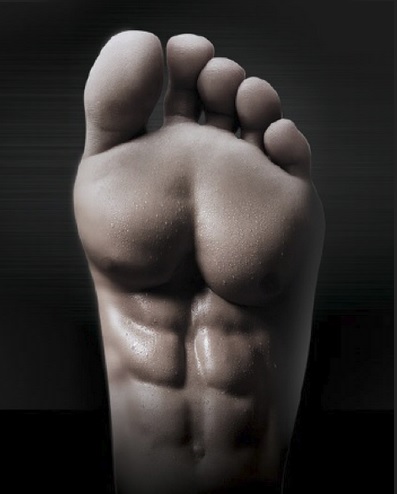
I’m talking about your FEET.

If you suffer from foot, ankle, knee, low back pain, or related problems including shin splints, bunions, heel spurs, plantar fasciitis, „fallen‟ arches, or Achilles tendonitis, then this article should be of particular interest to you. Your feet may be holding you back from becoming stronger.

The feet are the body‟s base of support. During exercise, sport, and most daily activities, force enters the body through your hands and feet, with the feet supporting the bulk of this workload.
However, whereas most people understand the importance of grip training and how strong hands contribute to a strong upper body, our feet are often neglected. Most people just shove their feet into rigid dress shoes or „bouncy‟ running shoes and forget about them.

To make matters worse, when our feet start to hurt we are typically advised to wear rigid orthotics or “ultra-supportive”, inflexible shoes to help support our feet. Unfortunately, binding up your feet like this interferes with or even eliminates their ability to move. Less movement (or poor movement) leads to more weakness.

Orthotics are like crutches… they may take the pressure off while you are using them, but they do not correct the underlying weakness. If you had weak hands or sore wrists would you start wearing wrist wraps and rigid hand splints every day? I hope not. You would perform mobility and strengthening exercises to restore proper function to your hands. Well, your feet typically weight bear all day long, which makes it even more crucial to focus on strengthening their weaknesses rather than “bracing” them externally!

Your feet were designed to move, which is why they have so many joints! Each foot has 33 muscles, 26 bones, and hundreds of sensory receptors, but most of us just treat them like pieces of meat attached to the bottom of our legs? Stimulating and exercising your foot muscles will improve both your strength and balance.

Footwear

The fact is that most modern footwear may cause more problems than they correct.
Most major shoe companies include a rigid mid-foot and all types of cushioning systems in their running shoes (such as “Super Springs”, “Motion Control”, “Shox”, or “Air”) which are intended to reduce impact forces. However, the science behind most of these designs is questionable at best (1, 7).

The truth is that proper running biomechanics rule out the need for a well cushioned heel in a shoe. First of all, if your heel is hitting the ground first, then you are not using correct running technique.

Secondly, during an effective push-off when your foot contacts the ground it will transfer the forces absorbed by the muscles back into the ground. In fact, your body gets a lot of information from these ground forces. Excessive cushioning reduces the amount of information (neural muscular signals) that your body receives through the feet, and you will lose a certain percentage of strength and flexibility as a result.

These shoes also create a problem when it comes to lifting weights. When you perform ground-based exercises such as deadlifts, squats, lunges, Olympic lifting or jumping exercises, you need to apply force into the ground through your feet to move the weight. What happens is this cushiony athletic footwear ends up “absorbing” the force rather than transferring it from your feet to ground. This makes your training very inefficient.

Your feet must be allowed to move and flex naturally to stay healthy and strong. They also need to “communicate” with the ground. What this comes down to is wearing as little shoe as possible. Training with less shoe will lead to greater foot movement resulting in stronger feet! Incidentally, wearing gloves can have a similar negative effect on your training by dampening the pressure signals your hands receive from the weights.

Most high level athletes understand this. Elite level wrestlers, gymnasts, mixed martial artists, track athletes, competitive runners and strength athletes all work out with no shoes or flat shoes that have minimal support, as do a growing number of other athletes.

Regrettably many health and fitness professionals still argue against it, insisting that expensive “high-tech” shoes are better for your feet. Unfortunately, many people prefer to stick with the information that they have become comfortable with rather than introduce themselves to different perspectives.

Science tells us some of the many other benefits of training in bare feet:

  • Plantar skin surfaces thicken with barefoot activity, which protects the foot and reduces risk of injury. For example, a lower risk of plantar fasciitis is associated with barefoot activity (2, 3) .
  • As previously explained, plantar surface sensory feed back is much higher in bare feet compared to when wearing shoes, which is very important for balance and efficient locomotion (4) .
  • Barefooted activity reduces impact loading by allowing for deflection of the longitudinal arch of the foot and promoting greater knee flexion during walking and running (3, 5, 8) .
  • Barefoot activity encourages better alignment of the toes with the metatarsal bones and more “grasping” of the surface with the toes (6, 2) .
  • Barefoot activity stimulates the intrinsic muscles of the foot, which can increase the arch of the foot in individuals with a reduced arch (4) .
  • A study by the American Academy of Physical Medicine and Rehabilitation found those running in trainers (shoes) have 36% more knee twisting and 54% more hip twisting than those who ran without shoes.

To summarize, these benefits include optimal development of the arches of your feet, better alignment of your toes, strengthening of the intrinsic muscles of your feet, better balance, less risk of injury, and more efficient locomotion. If you are an athlete, the benefits of barefoot training are extremely important. Time off training due to foot, toe, and ankle problems could have been avoided if more time were dedicated to barefoot activity.

Should I Start Training Barefoot Immediately?

That most likely would NOT be a good idea. Due to restriction of movement, lack of exercise and minimal stimulation your feet have likely become very weak. Years of wearing tight, restrictive, binding, cushiony shoes will put your feet to “sleep” and lead to atrophy of your foot muscles. You need to gradually strengthen your feet and slowly introduce them to greater range of motion.
Walking barefoot on soft sand or grass is a great way to start… plus it feels good! If you have access to a beach or a well manicured lawn, slowly progress from walking barefoot for a few minutes at a time and working up to a longer duration, before introducing any more challenging barefoot activities.
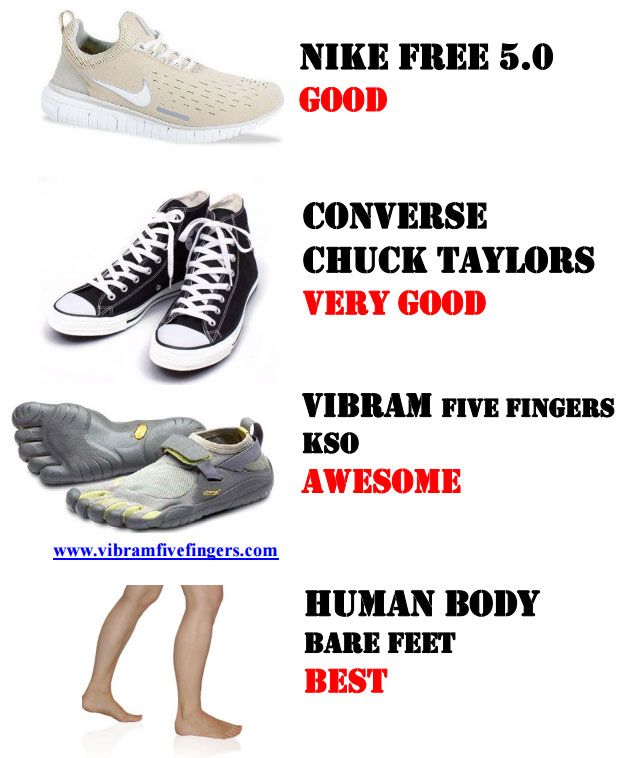
For walking on solid surfaces such as concrete, I suggest you wear appropriate footwear that will provide minimal support while still allowing for greater natural movement of your feet. The following is a list of footwear I recommend. Again, the key is to wear as little shoe as possible:

So literally, we want as little shoe as possible.

Starting off wearing the Vibram Five Fingers KSO may allow for too much foot mobility at first. It may be best to gradually progress from wearing Nike Free to Chuck Taylor’s and then to Vibrams before attempting to train in bare feet.

As long as you treat your shoes as another piece of training equipment and educate yourself on footwear, then they can help improve your performance rather than hinder it. Above all, when it comes to your footwear, think function rather than fashion.

Can I Train My Feet?

OK, so orthotics, arch supports, and “cushiony” shoes are out. But my feet are still sore and weak! Is there anything else I can do about it?

Yes, you can actually train your feet just as you can any other muscle group. In fact, some of my clients have experienced fantastic results by training their feet, including a significant increase in overall strength and mobility! Some of the exercises I use to train my clients foot and lower leg muscles are listed below:

  1. Footwear to Barefoot Progressions:
    As I have already discussed, you can strengthen your feet by gradually introducing shoes that allow greater mobility and eventually progressing to walking and exercising barefoot on
    softer surfaces such sand or grass.
  2. Warm Up and Mobility Exercises:
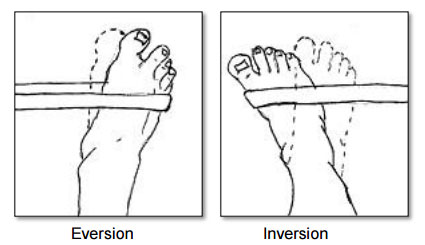
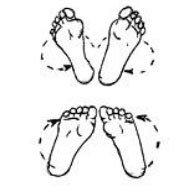
    Just as you would warm up any other body part before training, the same applies for your feet. Start with active range of motion exercises such as foot and ankle rotation in both directions, inversion, eversion, flexion and extension. Also flex and extend your toes fully, holding each position for at least 5 seconds. Finish by walking for several steps on your heels and on your toes.
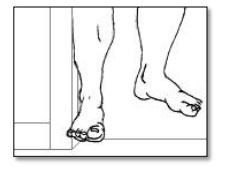
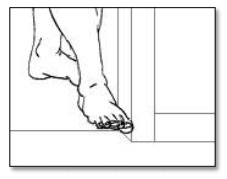
  3. Eversion Isometrics:
    – Sit down and place the outside of your foot against a table leg or closed door
    – Push outward with your foot into the object your foot is against (your ankle should not move) causing a contraction of your muscles.
    – Hold this muscle contraction for 10 seconds,
    – Relax for 10 seconds
    – Repeat 3 times
  4. Inversion Isometrics:
    – Sit down and place the inside of your foot against a table leg or closed door
    – Pull inward with your foot into the object your foot is against (your ankle joint should not move) causing a contraction of your muscles.
    – Hold this muscle contraction for 10 seconds
    – Relax for 10 seconds
    – Repeat 3 times

These isometric exercises can also be performed by combining eversion and inversion WITH flexion and extension (plantar-flexion and dorsi-flexion). Basically, you would press your foot down before performing the inversion / eversion exercises, and then repeat with your foot flexed up for both positions.

You can also use resistance bands to perform these exercises, as shown.

5. Toe Grippers:
This exercise is similar to training with a hand-gripper, except with your toes. An inexpensive and simple yet effective method of training your toes is to use foam pedicure toe spacers. You can purchase these foam toe separators in the pedicure section of most pharmacies. You place them underneath your toes with the foam “fingers” separating your toes, which is what they were designed for.
Then you will perform the toe gripping exercise as follows:

  • squeeze your toes down onto the foam pad and hold for 5 seconds
  • extend your toes up and spread them apart for 5 seconds
  • Repeat for 10 to 15 repetitions on each foot.

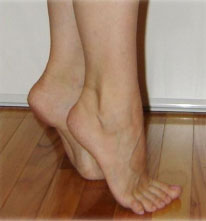
6. Calf Raises:
Most people are familiar with this exercise. At first, I would encourage you to perform this exercise without added weight and just focus on strict technique and a strong contraction to properly isolate the muscles involved. Press yourself up onto your toes and focus on drawing your heels upward toward your calves. Hold this contraction for a couple of seconds, then lower and repeat. As you become stronger you can work on one leg at a time.

Perform 3 sets of 10 to 15 repetitions.

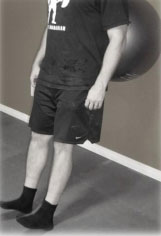
7. Reverse Calf Raises (Tibialis Toe Taps):

This exercise is less common but equally important. Begin by leaning back on an exercise ball against the wall, with your feet slightly in front of you. Keep your knees extended, and slowly raise feet up (dorsiflex) while focusing on driving your heels down into the ground. This movement is essentially the opposite of the calf raise. You should feel the muscles in your shins contracting (tibialis anterior).

Perform 3 sets of 10 to 15 repetitions.

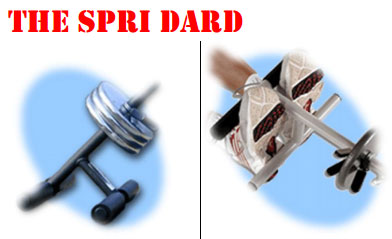
You can also perform Reverse Calf Raises (Dorsi-flexion) using a device by SPRI called the D‟ARD, which stands for Dynamic Axial Resistance Device. I own a D‟ARD myself, and I find it to be a great training accessory for isolating the typically weaker muscles of dorsi-flexion.

8. Acupressure Stimulation:
Stimulating the soles of your feet using an acupressure product such as the MiniAcuball can help to restore circulation and wake up the muscles in your feet. I find this particularly useful in the mornings. Just remember to apply light pressure to the ball while rolling your foot over it… your goal is to stimulate NOT annihilate your feet! Deep tissue work is not what you need at this point.

Your feet are integral to athletic performance, full body strength, mobility, and good health. Start taking better care of your feet by choosing the appropriate footwear and training them as you would any other lagging body part. By following the advice in this article you will develop stronger, healthier, more flexible feet and will most likely notice a significant improvement in every other ground based activity you perform.

Now that’s taking a step in the right direction!

Josh Hewett

REFERENCES:

1. Richards C E, Magin P J, Callister R. Is your prescription of distance running shoes evidence-based? British Journal of Sports Medicine. 43: 159-162. 2009.

2. Robbins SE, Gouw GJ. Athletic Footwear and Chronic Overloading. Sports Med: 9(2):76- 85.1990.

3. Robbins SE, Hanna AM. Running related injury prevention through barefoot adaptations. Med Sci in Sports & Exc. 19(2): 148-156. 1987

4. Robbins SE, Gouw GJ, Hanna AM. Running-related injury prevention through innate impact moderating behaviour. Med Sci in Sports & Exc. 21(2):130-139.1987.

5. Robbins SE, Gouw GJ. Athletic Footwear: unsafe due to perceptual illusions. Med Sci in Sports & Exc. 23(2):217-224.1991.

6. Robbins SE, Gouw GJ, McClaran J, Waked E. Protective Sensation of the Plantar aspect of the foot. Foot and ankle. 14(6):p347-352. 1993.

7. McDougall C. The painful truth about trainers: Are running shoes a waste of money. 2009.

8. Lieberman D. Biomechanics of Foot Strikes and Applications to Running Barefoot or in Minimal Footwear. Harvard University. 2010


Categories
Strength Training

Not All Pain is Gain: Natural Pain Management Methods

Pain’s Purpose

Aristotle called pain the “passion of the soul.” Although we may not look at pain quite so romantically, it’s important to recognize that pain serves a constructive purpose. Pain is a warning signal that you may be in danger or at risk of injury. The sensation of pain tells us that something are doing may cause the body damage, and in this way pain is our innate method of self-protection. You can imagine the problems that would arise if you were unable to feel pain!

Pain is usually divided into two main types: acute and chronic. Acute pain generally short-lived and gradually disappears through the course of normal healing. Acute pain typically has an identifiable cause. Chronic pain persists for more than six months. Some chronic pain sufferers may have symptoms for months or even years. This could be the result of a specific injury or chronic medical, or in some cases it may have no identifiable cause. The focus of this article will be on acute pain (specifically related to exercise) and some suggestions on how to manage it, although some of the methods I discuss may help those who suffer from chronic pain.

Good Pain vs. Bad Pain

pain-pic2As the great English Strongman Geoff Capes once said, “Without pain there is no gain. Without pain there is no glory.” Not all pain is necessarily a bad thing. Quite often high levels of human performance are achieved by reaching outside of one’s comfort zone and testing the limits of the body’s pain tolerance. One must learn to distinguish between pain that is good or which will lead to positive physical adaptation, and pain which is bad or indicates injury.

More often than not this distinction is pretty obvious. Delayed onset muscle soreness (DOMS) experienced a couple of days after a great workout could be viewed as good pain. The burning pain you might feel performing a weighted sled drag, or during the last few repetitions of a squat could be described as good pain. Good pain is often experienced as a satisfying muscle “tightness” or achy feeling. It’s that sensation of heaviness in the belly of the muscle that lets you know they’ve been working hard. I personally love this feeling; it’s as though the muscles feel alive and full.

Bad pain is typically pretty easy to recognize. It often has a sudden onset, and usually leaves you feeling weak or unstable. Even if it has a more subtle onset, it would be described as more of a sharp joint pain rather than a dull muscle ache. It might be experienced as a “pinching”, restrictive feeling that leads to a reduced range of motion and can last for several days or even weeks. This type of pain can be quite intense and could indicate an injury that requires a break from training and medical attention. We all hate this type of pain.

The key is to learn to embrace the good pain, and learn to prevent the bad pain.

Deal with It

If you are training hard and heavy, or are competing at an elite level of performance; you are likely flirting with pain a lot of the time. For most lifters, you can expect “good pain” to be a consistent part of your life. Get used to it. However, there are a couple of methods you can use to minimize or manage it.
Surprisingly, stretching is not one of them.

Contrary to what many believe, traditional static “passive” stretching does not relieve DOMS or necessarily aid in recovery. A study done in 1999 indicated that stretching made no significant difference in the reduction of exercise related muscle soreness. In general I advise caution while stretching muscles or joints that are sore. A safer solution would be to use “active” stretching, or gently move through your active range of motion.

The most effective methods for reducing DOMS are the performance of light exercise for affected areas, or taking NSAIDS (such as ibuprofen). I’m not a big fan of taking any sort of drug for pain relief, so I usually focus on low intensity exercise for active recovery and other natural methods of reducing inflammation.

Active Recovery

The key here is to use low intensity (sub – maximal), low impact exercise to promote recovery, not to try to g et a training effect. The goal is to increase blood flow in order to get more oxygen and nutrients to the muscles, as well as to flush out any lactic acid. You can choose any form of low intensity, low impact training, but my personal favorite is swimming. Swimming facilitates a greater range of motion around your joints with minimal weight bearing. You’ll get a good full body workout, as well as cardiovascular training, while putting minimal stress on your joints.

Brains Over Pains

How well you tolerate pain and your perception of pain is partly psychological. As such, your attitude regarding pain plays a big role in how you experience it. For example, people raised in different cultures can express pain very differently. A stoic person may seem to have a high pain tolerance, while another individual may tend to be more emotional and will find that same pain stimulus intolerable. Knowing this, you can train yourself to perceive pain differently and thus develop a greater pain tolerance. Your mind h as incredible power and a tremendous influence on your body. By learning to focus your mind, you can affect hormone levels, stress, healing, and other physical functions. Activities such as progressive relaxation, meditation, and visualization can all help you manage pain. Deep breathing exercises and stress management techniques can also aid in pain management.

Toughen Up

Pain Gain

Another way to develop a greater tolerance to pain is through what some refer to as “body – hardening”. Martial artists often use different body hardening techniques, such as striking a heavy bag, being struck by a bamboo staff, or having a medicine ball dropped on them, in order to “get used” to the pain or create actual tissue changes to build tolerance to it. They learn to handle a certain level of physical discomfort.

I’m not suggesting you abuse yourself, but certain types of training can certainly make you more tolerant to painful stimuli. For example, training with odd implements (i.e. – strongman events) such as tire flipping, keg pressing, sandbag carries, and stone lifting places a very different stress on your body compared to traditional gym training. You will develop a certain physical “toughness” by pushing through the friction of the tire on your body, the scraping of the stone on your forearms, and pressure of the keg on your chest. Body – hardening can help you blast through training plateaus, train at a higher intensity, and achieve greater performances in competition.

Once again, you need to know the difference between good pain and bad pain, and listen to your body. You better know when to stop when you are injured or if you need more recovery time. As long as you are smart about it, in my opinion it is always better to have a higher pai n tolerance.

Add Some Oil

foodAnother natural method of reducing inflammation and aiding in pain relief is to consume an adequate amount of essential fatty acids (E.F.A’s). Omega 3 fats in particular have anti – inflammatory properties as well as a slew of other health benefits, including:

  • Lower blood pressure and cholesterol
  • Better skin and hair
  • Better mood
  • Improved concentration and memory
  • More balanced blood sugar levels

So it just makes sense to include plenty of these Omega 3 oils in your diet. Good sources of EFA’s include fish (particularly oily fish such as salmon), nuts, seeds, avocado, flax seed oil, and other natural sources.

Cryotherapy

If you have experienced an acute injury which is causing inflammation, pain and swelling at joint in your body, apply ice rather than heat, especially for the first few days. Ice can reduce inflammation and swelling, numb the pain receptors, and speed the healing process. Heat could cause more inflammation and increase blood pooling in the area, thus creating painful pressure on the nerve endings.

Although real ice will be colder, the simplest option is to put a flexible gel ice pack over the affected area for 15 to 20 minutes, a couple of times a day (especially after exercise). In the later stages of recovery vascular flushing may help to restore healthy blood flow and flush out the chemical mediators of inflammation. Vascular flushing involves alternating shorter periods of ice and heat application.

Contrast showers are another type of cryotherapy that I enjoy regularly. This involves showering with hot water then rinsing with cold or very cool water before getting out. Some claim that this aid s in recovery by flushing out the lactic acid. I haven’t read evidence of this myself, but it does help improve blood flow to your central organs, and you feel great after!

Rehabilitate

If you have an injury, especially if it is recurring, you need to d eal with the root cause of the problem, rather than just masking the symptoms. This is where rehab exercises will come into play. My recommendation is to get assessed by a good physical therapist to determine where your weaknesses are and start a progressive training plan to correct your imbalances. In general, I believe a good rehabilitation plan should follow these basic steps (depending on the injury):

  • Assessment
  • Passive therapy (ice, ultrasound, TENS, acupuncture, tissue work, etc)
  • Active range of motion and isometric exercise (static contraction of your weak links to “retrain” them)
  • Isolation exercise for these weak links and the muscles involved with stabilizing and protecting the affected area.
  • Re – introduce compound exercises for the involved muscles to incorporate them back into the kinetic chain.
  • with necessary program changes.

If you experiencing pain that won’t resolve don’t ignore it… see a professional. I just think it ’s a good idea to set high standards for the therapist you choose. If they just sit you on the electrical stim unit then send you home, you might want to look elsewhere.

Prevention

It is obviously preferable to prevent these injuries before they even occur. Warming up properly, such as performing a dynamic warm up before training, is one simple action you can take which will help prevent injury. Using proper lifting technique is another. Using intelligent training principles such as micro – progression (increasing resistance with small increments over time) also helps. You should also take necessary safety precautions, such as getting a spotter when needed.

Finally, incorporate “prehab” exercises for your weak areas, which could include external rotator cuff, rear delts, mid back, core, etc. It’s better to spend a little extra time now correcting your muscle imbalances, rather than missing training altogether because of an injury.

Conclusion

In this article I’ve discussed methods of handling “good pain”, managing “bad pain”, improving recovery, and injury prevention. If you become familiar with the different types of pain and how to properly manage them, you will be able to continue to train, compete, and achieve your fitness and performance goals.